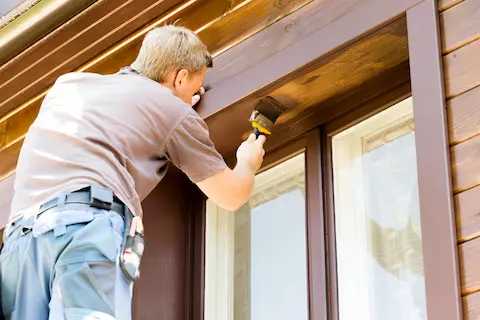
Exterior Painting and Staining in Bloomington MN Homes
Minnesota weather does not go easy on exterior surfaces. In Bloomington, homes cycle through sub-zero winters, humid summers, and spring freeze-thaw swings that crack caulk, peel paint, and open wood grain to moisture. Choosing the right exterior finish and applying it correctly is not a cosmetic decision — it is a structural one. Whether you are repainting a fiber cement facade, restaining cedar siding, or refinishing a steel entry door, every material in your home's exterior envelope responds differently to Minnesota's UV load and temperature range. Understanding those differences before you pick up a brush — or hire someone who will — determines how long your investment actually holds.
Why Bloomington's Climate Demands More From Exterior Finishes
Bloomington sits in USDA Hardiness Zone 5a, which means temperatures can dip below -20°F in a hard winter while climbing past 90°F in July. That 100-degree-plus swing is not just uncomfortable — it physically stresses every painted or stained surface on your home. Paint film expands and contracts with each temperature change. When a coating cannot keep up with that movement, it cracks, blisters, or peels at the edges, usually starting with south- and west-facing surfaces that absorb the most direct UV radiation.
Freeze-thaw cycling is the other major threat. Water infiltrates micro-cracks in a failing finish, freezes overnight, expands, and forces those cracks wider. Repeat that process across a full Bloomington winter and you can go from surface-level paint failure to substrate damage in a single season. This is why paint selection, surface prep, and application timing all matter as much as the color you choose.
Exterior Painting on Common Bloomington Home Materials
Different substrates require different primers, paint chemistries, and application techniques. Knowing what your home is clad in shapes every decision downstream.
Wood Siding and Trim
Older Bloomington homes — many of them built during the city's mid-century residential boom — often have wood lap siding, cedar shakes, or painted wood trim. Wood expands and contracts more aggressively than any other common cladding material, which means paint adhesion is a constant challenge. A high-quality 100% acrylic latex exterior paint applied over a bonding primer is the standard for wood in this climate. Oil-based primers can still be valuable for heavily weathered or bare wood, as they penetrate grain better and stabilize the surface before the topcoat.
Prep work on wood siding is non-negotiable. Scraping all loose paint down to a stable layer, sanding edges to feather transitions, caulking open joints, and treating any visible mold or mildew with a diluted bleach wash before priming — these steps add time but they are the difference between a finish that lasts three years and one that lasts ten.
Fiber Cement Siding
Fiber cement is widely used in newer Bloomington construction and is typically factory-primed. Repainting fiber cement is straightforward compared to wood, but it still requires the right product. Acrylic latex paints formulated for masonry or fiber cement surfaces bond well and handle thermal movement without cracking. Avoid applying paint when surface temperatures are below 50°F — fiber cement is dense and cold, and paint applied to a cold substrate will not cure properly, leading to adhesion failure.
Steel and Fiberglass Entry Doors
Entry doors take concentrated UV exposure and physical wear from daily use. Steel doors can be repainted or refinished, but surface prep is critical — any rust or oxidation must be neutralized and primed with a rust-inhibiting primer before topcoating. Fiberglass doors can be painted or stained to simulate wood grain. Many Bloomington homeowners choose a dark door color for curb appeal, but dark colors on steel absorb heat and can cause the door to expand and warp if the door installation does not allow for adequate clearance. Work with a painter who understands this tradeoff.
Exterior Staining: Cedar and Pressure-Treated Wood
Not every exterior wood surface should be painted. Cedar siding, cedar decks, pergolas, fences, and pressure-treated framing components often perform better and look better with a penetrating stain rather than a surface-film paint. Here is why that distinction matters.
Paint forms a film on top of the wood. Stain penetrates into the grain. When wood expands and contracts with Minnesota's temperature swings, a painted film has to flex with the wood or crack. A penetrating stain moves with the wood naturally because it is bonded within the fiber rather than sitting on top of it. This makes stain the more forgiving finish for horizontal surfaces like decks and for rough-sawn cedar that does not provide a smooth enough surface for paint adhesion.
For Bloomington cedar siding, semi-transparent oil-based or water-based alkyd stains are the most common choices. Semi-transparent stains preserve the wood grain while providing UV protection and water repellency. Solid stains offer more color coverage and pigmentation — closer to paint in appearance — but still penetrate the wood and are a good choice when you want to unify a weathered surface without losing the texture.
Timing matters with stain application. New pressure-treated wood should be allowed to dry for a full season before staining — applying stain to green lumber causes adhesion failure because the wood is still releasing moisture. Cedar that has been exposed for a season is usually ideal: it has opened up slightly, allowing better penetration. For more guidance on how material choice intersects with color and finish for cold climates, it is worth reading through how siding type affects long-term performance before committing to a finish system.
Color Selection Considerations for Minnesota Homes
Color is not purely aesthetic when you live in Bloomington. Dark colors absorb significantly more solar heat than light ones. On a south-facing wall in July, a dark navy or charcoal siding can reach surface temperatures 20 to 30 degrees higher than a light gray or cream. That heat differential accelerates paint aging and can contribute to thermal cracking on wood substrates. This does not mean you cannot use dark colors — it means you should select paints with higher heat-reflective pigments and plan to repaint those surfaces on a shorter cycle.
Color-matching existing trim, shutters, or architectural details is another common challenge. If you are repainting only part of a facade — a single wall that failed early, or new trim boards after a repair — getting an exact match to existing paint requires bringing a chip or scraping sample to a paint supplier with spectrophotometry matching capability. Even two coats of the same paint applied years apart can read differently in natural light due to UV fading on the original coat.
Prep Work Is Where the Job Is Won or Lost
The most expensive premium paint applied over poorly prepared surfaces will fail faster than a mid-grade product applied correctly. In Bloomington, exterior painting prep typically includes:
- Pressure washing to remove dirt, mildew, chalking, and loose paint — but at appropriate pressure to avoid driving water behind siding laps or damaging wood fiber
- Mold and mildew treatment before priming, especially on north-facing walls that stay shaded and retain moisture longer
- Scraping and sanding all unstable paint edges to create a solid foundation for the new coating
- Caulking all penetrations, joints, and trim transitions with a paintable polyurethane or siliconized acrylic caulk rated for exterior use and temperature flexibility
- Spot priming bare wood and any areas where the substrate is exposed after scraping
- Timing the application for temperatures between 50°F and 85°F with low humidity and no rain forecast for at least 24 hours after application
Skipping any of these steps is where budget paint jobs fail. The labor cost of proper prep is real, but it is small compared to the cost of redoing a full exterior paint job two years early because adhesion failed.
Hiring a Painter Versus DIY in Bloomington
Exterior painting and staining is one of the more accessible DIY projects on a single-story home with flat, easy-to-reach surfaces. A motivated homeowner who is comfortable on a ladder can achieve professional-quality results with the right preparation, good materials, and patience. The challenge grows significantly on two-story homes, homes with complex rooflines or multiple gable peaks, or any project involving extensive surface prep on weathered wood. At that scale, the cost of renting scaffolding or extension ladders, purchasing spray equipment, and spending the time to properly prepare surfaces often narrows the gap between DIY and professional pricing considerably.
When evaluating contractors, ask specifically about their prep process, what primer they use on bare wood, and what paint lines they prefer for Minnesota exteriors. A painter who cannot articulate a prep process or who bids a price that seems to assume one coat is enough is probably leaving steps out. Minnesota exterior painting should almost always include a primer coat on bare or heavily weathered surfaces and two topcoats on the finish color.
If you are ready to get started or want a professional evaluation of what your home's exterior actually needs, connecting with Exterior Painting specialists who work in Bloomington's specific climate conditions will give you an accurate picture of scope, materials, and timing before you commit to anything.
Maintenance Intervals and What to Watch For
Even the best exterior painting job in Bloomington has a service life. Knowing what to look for helps you act before surface failure becomes substrate damage. Inspect your exterior paint and stain annually — the ideal time is after the first sustained warmth of spring, when winter damage is visible but the weather is mild enough to do any needed touch-up work.
Signs that a finish is approaching end of life include chalking (a powdery residue when you drag a finger across the surface), cracking along the grain of wood boards, peeling or bubbling at joints or trim edges, and any visible mold or mildew that returns quickly after washing. These are not cosmetic problems — they are early warnings that moisture is getting behind the finish. Addressing them with spot priming and a fresh topcoat during the warning stage is far less costly than waiting until the substrate itself is damaged and requires repair or replacement before painting can even begin.
In Bloomington, well-prepared and properly painted wood siding typically holds for seven to ten years before full repainting is needed. Cedar stain on decks and horizontal surfaces may need refreshing every three to five years depending on sun exposure. Steel doors and trim pieces in high UV exposure areas often need attention sooner than the main body of the siding. Building a simple inspection and maintenance routine is the most cost-effective exterior care strategy available.
