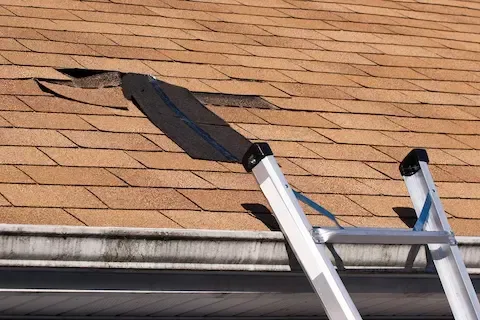
How to Spot Hail Damage on Bloomington MN Vinyl Siding
Hail damage on vinyl siding appears as small dents, cracks, or chips in the surface material. Look for circular or oval-shaped indentations, especially on south and west-facing walls that receive the most storm impact. Fresh damage often shows bright white marks where the colored surface layer has been scraped away, while older damage may have dirt or weathering in the impact points. Check areas near gutters, windows, and corners where wind-driven hail typically causes the most concentrated damage.
What Are the Most Common Signs of Hail Impact on Vinyl Siding?
The most obvious indicators include small circular dents that create shadow lines across your siding panels. These impacts often cluster in specific areas where storm winds concentrated the hail strikes. You'll typically find the heaviest damage on the sides of your home that faced the storm's direction.
Paint chips and surface scratches frequently accompany the denting. When hail strikes hard enough, it removes the protective coating and exposes the underlying vinyl material. This creates vulnerable spots where moisture can penetrate and cause long-term problems.
Cracked or split sections represent more severe damage that requires immediate attention. These openings allow water infiltration behind your siding system, potentially causing structural issues or mold growth in wall cavities.
How Do You Inspect Different Areas of Your Siding System?
Start your inspection from ground level using binoculars to examine upper sections safely. Walk around your entire home systematically, checking each wall section methodically. Pay special attention to areas where siding meets trim, windows, or other architectural features.
Focus on south and west-facing walls first, as these typically receive the most severe weather exposure in Minnesota storms. Hail damage patterns often show diagonal lines or concentrated clusters that follow the storm's wind direction.
Use your smartphone camera to zoom in on suspicious areas and document potential damage for insurance purposes. Take photos from multiple angles to capture the full extent of any issues you discover.
What Tools Help You Identify Subtle Hail Damage?
A good pair of binoculars allows safe inspection of upper story siding without climbing ladders. Choose models with at least 8x magnification for clear detail visibility from ground level.
Your smartphone's camera with zoom capabilities can reveal damage that's difficult to see with naked eyes. Take photos in good lighting conditions and review them carefully on a larger screen later.
A small mirror or flashlight helps examine shadowed areas under eaves or overhangs where damage might hide. Proper lighting reveals the subtle texture changes that indicate hail impacts.
When Should You Call Professionals for Assessment?
Contact Storm Damage Restoration experts immediately if you discover any cracked or split siding sections. These issues require prompt attention to prevent water infiltration and structural problems.
Professional assessment becomes essential when damage appears extensive or when you're filing an insurance claim. Trained inspectors know exactly what insurance adjusters look for and can document damage properly for claim approval.
If your initial inspection reveals multiple impact points or you're uncertain about what you're seeing, professional evaluation ensures you don't miss covered damage that could cost thousands to repair later.
How Does Bloomington's Climate Affect Hail Damage Assessment?
Bloomington's variable weather patterns create unique challenges for damage identification. Spring and summer storms often produce hail that can range from pea-sized to golf ball-sized, creating different damage patterns on vinyl surfaces.
Minnesota's freeze-thaw cycles can worsen existing hail damage over time. Small cracks or chips that seem minor immediately after a storm can expand significantly during winter months, leading to more extensive repair needs.
The area's humid summers can accelerate deterioration in damaged areas where protective coatings have been compromised. This makes timely identification and repair crucial for maintaining your siding's integrity.
What Documentation Should You Gather for Insurance Claims?
Photograph all damaged areas from multiple angles, including wide shots that show the damage's location and close-ups that detail the specific impacts. Date-stamp your photos and include reference objects for scale when possible.
Keep records of the storm date and any weather reports that document hail in your area. This information supports your claim by establishing when the damage occurred.
For comprehensive documentation, consider reading about spotting hail damage early to understand the full scope of what adjusters evaluate during claim assessments.
How Can You Prevent Missing Hidden Damage?
Schedule inspections during optimal lighting conditions, preferably mid-morning when shadows reveal surface irregularities most clearly. Avoid midday inspections when harsh overhead light can mask subtle damage signs.
Inspect your siding after every significant storm, even if you don't immediately notice obvious damage. Some hail impacts may not be visible from certain angles or may appear minor initially but worsen over time.
Consider seasonal inspections as part of your home maintenance routine. Spring assessments after winter weather and fall inspections before severe weather season help identify any developing issues early.
