Spring Storm Damage Checklist for Bloomington MN Homes
After Minnesota's harsh winter storms, Bloomington homeowners should conduct a systematic exterior inspection to identify potential damage before small issues become costly repairs. Walk around your property with binoculars to check your roof for missing or damaged shingles, inspect gutters for ice damage, examine siding for cracks or loose panels, and look for signs of hail impact on all exterior surfaces. Document any findings with photos and contact professionals for proper assessment of suspected damage.
Step 1: Gather Your Inspection Tools and Safety Equipment
Before beginning your spring damage assessment, collect the essential tools you'll need for a thorough inspection. Grab a pair of binoculars to safely examine your roof from ground level, a camera or smartphone for documentation, a flashlight for checking darker areas, and a notepad for recording your findings. Never attempt to climb on your roof after winter storms, as surfaces may still be slippery or structurally compromised. The safety risks of DIY roof inspections far outweigh any benefits, especially when professional Storm Damage Restoration experts can provide comprehensive assessments without putting you in danger.
Step 2: Examine Your Roof for Winter Storm Damage
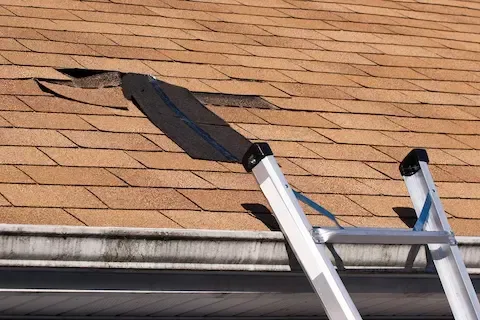
Start your inspection by walking around your Bloomington home's perimeter while looking up at the roofline through binoculars. Check for missing, cracked, or curled shingles that may have been damaged by ice dams, heavy snow loads, or wind. Look for exposed nail heads, damaged flashing around chimneys and vents, and any sagging areas that might indicate structural issues. Pay special attention to south-facing slopes where freeze-thaw cycles are most severe. Metal roofing should be checked for dents from hail or ice, while asphalt shingles may show granule loss or impact marks that weren't immediately visible during winter months. If the roof took a beating this winter, start with a spring roof inspection for Bloomington MN after snow season before moving to the rest of the exterior.
Step 3: Inspect Gutters and Downspouts for Ice Damage
Minnesota's freeze-thaw cycles can cause significant damage to gutter systems throughout the winter months. Examine your gutters for separation from the fascia board, bent or cracked sections, and areas where ice dams may have caused overflow damage to your home's exterior. Check downspouts for dents, separations at joints, and proper drainage away from your foundation. Look for ice damage that may have pushed gutters out of alignment or created gaps where water could penetrate behind the gutter system. Document any areas where gutters appear to be pulling away from the roofline, as this often indicates the need for professional repair.
Step 4: Assess Siding and Exterior Wall Surfaces
Walk the entire perimeter of your Bloomington home to inspect siding materials for winter damage. Vinyl siding should be checked for cracks, loose panels, or areas where thermal expansion and contraction may have caused separation. Wood siding requires attention to moisture damage, splitting, or areas where caulking has failed. Look for hail damage that appears as small dents or cracks, particularly on south and west-facing walls that receive the most weather exposure. Check for any loose or missing trim pieces around windows and doors, as these areas are particularly vulnerable to wind damage during Minnesota storms.
Step 5: Check Windows, Doors, and Entry Points
Examine all windows and doors for signs of weather damage that may have occurred during winter storms. Look for cracked glass, damaged window frames, or compromised weatherstripping that could allow moisture penetration. Check door frames for warping or separation that might have resulted from freeze-thaw cycles. Inspect caulking around all exterior openings, as winter weather often causes these seals to crack or separate. Pay attention to areas where different materials meet, such as where siding connects to concrete foundations, as these transition points are particularly susceptible to weather damage.
Step 6: Document Findings and Create an Action Plan
Thoroughly photograph any damage you discover during your inspection, including wide shots showing the overall area and close-up images detailing specific problems. Create a written record noting the location, type, and apparent severity of each issue. This documentation will be valuable when working with insurance companies or contractors. Prioritize urgent repairs that could allow water penetration or pose safety risks, while noting less critical items that can be addressed during your regular maintenance schedule. Understanding the difference between normal wear and storm damage is crucial, especially when considering after a Minnesota winter storm recovery and insurance claims.
Step 7: Contact Professional Assessors for Suspected Damage
Once you've completed your initial inspection, contact qualified professionals to assess any significant damage you've identified. Roofing contractors, siding specialists, and general exterior restoration experts can provide detailed evaluations that may reveal additional issues not visible from ground level. Professional inspectors have the experience and safety equipment necessary to conduct thorough assessments while identifying subtle damage that homeowners might overlook. In Bloomington, spring weather can quickly worsen minor damage, making professional evaluation essential for protecting your investment and ensuring proper repairs before Minnesota's next storm season arrives.
