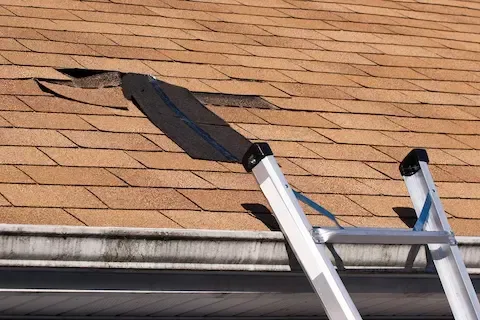
Storm Damage Restoration for Bloomington MN Homeowners
When severe weather strikes Bloomington, Minnesota, homeowners face the urgent reality of storm damage that can compromise their property's safety and value. From hail-damaged roofing to wind-torn siding and ice dam destruction, storm damage requires immediate professional attention to prevent further deterioration and protect your investment.
Understanding Storm Damage Types in Minnesota
Minnesota's climate presents unique challenges for homeowners, with each season bringing distinct types of storm damage. Hail storms during spring and summer can create devastating roof damage, leaving shingles cracked, gutters dented, and exposing your home to water infiltration. Wind damage from severe thunderstorms and tornadoes can tear off siding, damage windows, and compromise structural integrity.
Winter brings its own set of challenges with ice dams forming along roof edges, causing water to back up under shingles and into your home's interior. Heavy snow loads can stress roofing systems beyond their capacity, leading to sagging or complete structural failure. Each type of damage requires specific restoration techniques and materials suited to Minnesota's harsh weather conditions.
The most critical factor in storm damage restoration is timing. Water damage from compromised roofing or siding can escalate rapidly, leading to mold growth, structural rot, and extensive interior damage that far exceeds the original storm impact. Professional Storm Damage Restoration services understand these time-sensitive concerns and provide immediate response to minimize secondary damage.
The Insurance Claims Process for Storm Damage
Navigating insurance claims after storm damage can feel overwhelming, especially when you're dealing with property damage and safety concerns. The claims process begins with documenting all visible damage through photographs and detailed notes before any cleanup begins. This documentation serves as crucial evidence for your insurance adjuster's assessment. For a full walk-through of the process, see our complete Bloomington MN exterior remodeling homeowner's guide.
Most homeowners insurance policies in Minnesota cover storm damage, including hail, wind, and ice dam damage, but coverage specifics vary significantly between policies. Understanding your deductible, coverage limits, and exclusions helps set realistic expectations for the restoration process. Some policies may have separate deductibles for wind and hail damage, while others may exclude certain types of water damage.
Working with a restoration contractor experienced in insurance claims can streamline the process significantly. These professionals understand how adjusters evaluate damage and can provide detailed estimates that align with insurance industry standards. They can also identify damage that homeowners might miss, ensuring comprehensive coverage for all storm-related issues.
The timing of your claim filing matters critically in Minnesota's storm season. After major weather events, insurance companies may be overwhelmed with claims, leading to delayed adjuster visits and prolonged restoration timelines. Filing promptly and providing thorough documentation helps prioritize your claim processing.
Immediate Emergency Response and Damage Assessment
The first 24-48 hours after storm damage are crucial for preventing additional problems. Emergency tarping of damaged roofing areas prevents water infiltration during the restoration planning phase. Board-up services for broken windows and doors secure your property against weather and potential intrusion while permanent repairs are arranged.
Professional damage assessment goes beyond obvious visible damage to identify hidden issues that could cause problems later. Structural engineers may need to evaluate load-bearing components if significant damage has occurred. Water damage assessment includes moisture readings in walls and insulation to determine the extent of necessary drying and replacement.
Emergency water extraction and drying services prevent mold growth and minimize interior damage when storm damage has allowed water infiltration. Industrial-grade dehumidifiers and air movers create optimal drying conditions even in Minnesota's humid summer months or frigid winter conditions.
Safety considerations during emergency response include electrical system inspection if water has entered the home, gas line integrity checks if structural damage has occurred, and temporary heating or cooling arrangements if HVAC systems have been compromised. Professional restoration teams coordinate these multiple emergency services to ensure your family's safety throughout the restoration process.
Roofing System Restoration After Storm Damage
Roof restoration represents the most critical component of storm damage repair, as compromised roofing systems affect every other aspect of your home's protection. Hail damage assessment requires detailed inspection of shingles, flashing, gutters, and roof penetrations like vents and chimneys. Even minor hail damage can reduce shingle lifespan and void manufacturer warranties.
Wind damage to roofing systems often affects more than just missing shingles. High winds can compromise the roof deck, damage underlayment, and affect the structural integrity of trusses and rafters. Complete system evaluation ensures that all wind-related damage is addressed during restoration rather than discovering problems months or years later.
Minnesota building codes require specific materials and installation methods for our climate conditions. Ice and water shield installation, proper ventilation systems, and appropriate shingle ratings for wind and impact resistance are essential for long-term performance. Professional restoration ensures compliance with current codes, which may have changed since your original roof installation.
The choice of roofing materials during restoration can significantly improve your home's storm resistance. Impact-resistant shingles, enhanced flashing systems, and upgraded gutters provide better protection against future storm damage. Many insurance companies offer discounts for homes with storm-resistant roofing materials, helping offset the additional investment costs.
Siding and Exterior Restoration Considerations
Storm damage to siding systems affects both the aesthetic appeal and protective function of your home's exterior. Hail damage to vinyl siding may appear as small dents or cracks, but these compromise the material's ability to expand and contract with temperature changes, leading to premature failure. Wood siding damage from storms often includes moisture infiltration that can cause rot and insect infestation if not properly addressed.
Wind damage to siding systems frequently affects the underlying house wrap and insulation, creating energy efficiency issues and potential moisture problems. Complete restoration includes evaluation and replacement of damaged moisture barriers, ensuring your home's thermal envelope remains intact.
Matching existing siding materials can be challenging, especially for older homes or discontinued product lines. Color fading from UV exposure means that even identical materials may not provide seamless appearance. Professional restoration contractors maintain relationships with manufacturers and suppliers to source matching materials or recommend appropriate alternatives.
Trim and soffit damage often accompanies siding damage but may not be immediately visible. These components play crucial roles in moisture management and ventilation systems. Comprehensive restoration addresses all exterior components to ensure long-term performance and weather protection.
Interior Restoration and Water Damage Mitigation
When storm damage allows water infiltration, interior restoration becomes as critical as exterior repairs. Water damage assessment includes identifying affected drywall, insulation, flooring, and personal belongings. Even small amounts of water can cause significant problems if not properly addressed within 24-48 hours.
Mold prevention requires immediate moisture removal and controlled drying conditions. Minnesota's humidity levels during summer storms create ideal conditions for mold growth in water-damaged materials. Professional-grade dehumidifiers and air movers create optimal drying conditions while antimicrobial treatments prevent mold establishment.
Electrical system inspection and potential replacement may be necessary if water has affected wiring, outlets, or electrical panels. Safety regulations require professional evaluation and certification before electrical systems can be returned to service after water exposure.
Insulation replacement often becomes necessary after water damage, as wet insulation loses its thermal properties and can harbor mold growth. Proper insulation replacement includes air sealing measures that may improve your home's energy efficiency beyond pre-storm conditions.
Selecting Professional Storm Damage Restoration Services
Choosing the right restoration contractor significantly impacts both the quality of repairs and the insurance claims process. Licensed and insured contractors provide protection for both you and your property during restoration work. Verify licensing with the Minnesota Department of Labor and Industry and confirm insurance coverage includes both liability and workers' compensation.
Experience with Minnesota weather conditions and local building codes ensures proper restoration techniques for our climate. Contractors familiar with Bloomington's specific requirements, permit processes, and inspection standards can streamline the restoration timeline and ensure code compliance.
References from recent storm damage projects provide insight into contractor reliability, quality, and customer service. Check online reviews, Better Business Bureau ratings, and ask for local references you can contact directly. Recent work examples demonstrate the contractor's capability with similar damage types and scope.
Comprehensive restoration services that handle multiple aspects of storm damage simplify project management and ensure coordinated repairs. Contractors who can manage roofing, siding, windows, and interior restoration provide single-point responsibility and streamlined scheduling. For homeowners dealing with extensive damage, this coordination becomes invaluable for managing the restoration process while maintaining normal life routines.
Understanding the restoration timeline and communication expectations helps reduce stress during an already difficult situation. Professional contractors provide detailed project schedules, regular progress updates, and clear communication about any challenges or changes that arise during restoration work.
Long-Term Protection and Storm Preparedness
Storm damage restoration provides an opportunity to improve your home's resistance to future weather events. Upgraded materials, improved installation techniques, and enhanced protective systems can significantly reduce vulnerability to similar storm damage in the future.
Regular maintenance schedules help identify potential problems before they become major issues during storms. Annual roof inspections, gutter cleaning, siding washing, and tree trimming reduce the risk of storm damage and help maintain your home's protective systems in optimal condition.
Emergency preparedness planning includes identifying local restoration contractors before you need them, understanding your insurance coverage details, and maintaining documentation of your home's current condition. Having these resources readily available reduces response time and stress when storms do cause damage.
For Bloomington homeowners, storm damage restoration represents more than just repair work—it's an investment in your property's long-term protection and value. Professional restoration services ensure that your home emerges from storm damage stronger and better protected against Minnesota's challenging weather conditions. When severe weather strikes your property, immediate professional response and comprehensive restoration services provide the expertise needed to restore your home and your peace of mind.
