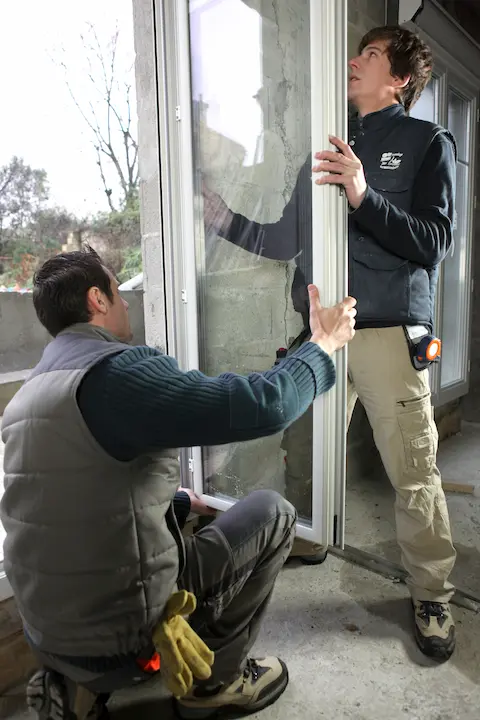
Window and Door Installation in Bloomington MN Homes
Replacing windows and doors in a Minnesota home isn't a cosmetic decision — it's a structural and energy investment that affects your heating bills, indoor comfort, and long-term resale value. Bloomington sits in USDA Hardiness Zone 6 and experiences some of the harshest temperature swings in the continental United States. Winters regularly push below zero, and summers bring enough heat and humidity to stress poorly installed frames and seals. When windows and doors fail in this climate, the consequences aren't subtle. You'll notice drafts along baseboards, condensation between panes, doors that stick or won't latch correctly, and heating costs that climb year over year without explanation.
Why Bloomington Homeowners Replace Windows and Doors
Most homeowners in Bloomington don't schedule window or door replacement until something obvious breaks down. A fogged double-pane unit, a sliding door that won't seal, or a front entry door that lets cold air pour in during January — these are the moments that force the conversation. But replacement often makes sense well before visible failure occurs.
Windows installed before 2000 were frequently single-pane or early double-pane units with aluminum frames. Aluminum conducts cold exceptionally well, which means those frames become conduits for heat loss along the entire perimeter of your window. Modern fiberglass and vinyl frames don't transfer temperature the same way, and the gap in energy performance between old and new technology is significant. If your home has original windows from the 1970s or 1980s, the thermal leakage occurring around each unit is substantial — regardless of whether you can feel an obvious draft.
Entry doors present a similar problem. Steel and fiberglass doors with polyurethane foam cores hold heat in ways that hollow-core and older solid-wood doors simply cannot. For homes in the 494 and 169 corridors of Bloomington, where winter wind exposure can be significant, door replacement is one of the highest-return improvements available on a per-opening basis.
Window Types That Perform in Minnesota Zone 6 Conditions
Not every window sold in the United States is appropriate for Minnesota winters. Energy Star certification is a minimum standard, but the specific ratings matter more than the label. For Zone 6, you're looking for a U-factor of 0.22 or lower — this measures the rate of heat transfer through the window assembly. Lower is better. You're also looking for a Solar Heat Gain Coefficient (SHGC) that balances between blocking summer heat and allowing passive solar gain in winter. For Bloomington's orientation mix, an SHGC between 0.25 and 0.35 tends to work well for most exposures.
Triple-pane windows have become more accessible in pricing over the last decade and are worth considering for north-facing exposures and any room that has historically felt cold or drafty regardless of thermostat settings. The third pane adds measurable R-value and also reduces interior surface condensation — a common complaint in Minnesota homes where indoor humidity during winter is tightly controlled.
Frame material matters as well. Fiberglass frames have the lowest thermal expansion coefficient, which means they don't contract and expand as aggressively during temperature swings as vinyl. Over years of Minnesota freeze-thaw cycles, this stability preserves seal integrity and reduces the likelihood of air infiltration developing around the frame perimeter.
For homeowners comparing options, the Window & Door Installation services available in Bloomington include both vinyl and fiberglass framing systems, so the choice can be matched to your home's specific exposure and budget.
Entry Door Options: Steel vs. Fiberglass for Minnesota Homes
The two dominant materials in residential entry door replacement are steel and fiberglass. Both outperform wood in energy efficiency and maintenance requirements, but they suit different situations and budgets.
Steel doors are cost-effective, extremely durable, and resistant to warping. A quality steel door with a 24-gauge skin and a polyurethane foam core will provide an R-value between 5 and 6, which represents a substantial improvement over most older doors. Steel does dent more easily than fiberglass, and in coastal or humid environments it can rust — though in Bloomington's dryer inland climate, surface rust on exterior steel doors is rarely a significant issue when the door is properly primed and painted.
Fiberglass doors cost more upfront but offer several performance advantages. They don't rust, they don't dent from minor impacts, they can be textured and stained to closely resemble wood grain, and their insulation values are typically higher than comparable steel units. For a front entry or a prominent side door where appearance matters and budget allows, fiberglass is generally the better long-term choice.
Regardless of material, the door's performance is heavily dependent on weatherstripping and threshold quality. A premium door with inferior weatherstripping will underperform a mid-grade door with a properly installed magnetic or compression seal. This is one area where professional installation makes a measurable difference — the frame must be plumb, the threshold must be adjusted correctly, and the weatherstripping must create full contact across the entire door perimeter.
Storm Doors and Their Role in Bloomington Winters
Storm doors add an extra layer of thermal protection to entry doors by creating an air buffer zone between the exterior door and the outdoors. In Minnesota winters, this buffer matters. Even a well-insulated entry door loses heat more quickly when exposed to direct wind and cold. A storm door extends the effective R-value of the door assembly and protects the primary door's finish from UV degradation and ice buildup.
Modern storm doors are not the aluminum-framed screen doors of previous decades. Full-view and retractable-screen models allow light in during milder months while providing protection during winter. For homes in Bloomington's older neighborhoods — particularly around Bush Lake, Oxborough, and the Normandale Lake area — storm doors are a cost-effective addition that can meaningfully reduce air infiltration at the entry threshold.
Installation of a storm door requires accurate frame measurement and proper alignment with the existing entry door frame. If the primary door or its frame has settled or shifted, a storm door can expose those alignment issues. It's worth having both evaluated at the same time.
Common Installation Mistakes That Compromise Performance
Window and door performance in Minnesota is only as good as the installation. Gaps in flashing, inadequate insulation around the frame, improper shimming, and incorrect weatherstripping compression are among the most common errors that result in homeowners replacing a window or door only to find their energy costs unchanged and drafts still present.
Flashing is particularly critical in Minnesota's climate. Water intrusion around window and door frames accelerates dramatically during freeze-thaw cycles. A poorly flashed window frame allows moisture into the wall cavity, where it freezes, expands, and damages insulation and framing over successive winters. By the time the damage becomes visible from the interior — typically as staining or soft drywall — the repair scope has expanded well beyond the window itself.
Foam insulation around window frames must also be applied correctly. Expanding foam that generates excessive pressure against a window frame can bow the frame and distort the sash, making operation difficult and compromising the seal between the sash and frame. Low-expansion foam or fiberglass batt insulation cut to fit is the appropriate choice depending on gap size.
If you're researching how material choices affect long-term performance, understanding windows built for cold climates provides useful context for the thermal performance standards that matter most in the Minneapolis metro region.
Permits and Local Codes in Bloomington
Window and door replacement in Bloomington typically requires a building permit when the work involves structural changes to the opening — expanding or reducing the rough opening, altering a load-bearing header, or adding a new opening where none existed. Direct replacement of a window or door in an existing opening is generally considered like-for-like replacement and may fall below the permit threshold depending on scope.
Bloomington's Building Services Division enforces the Minnesota State Building Code, which includes specific requirements for window U-factor values in new construction and major renovations. Even for replacement projects not requiring a permit, working within those code standards is good practice. An Energy Star Zone 6-rated window meets the code minimums and positions your home well for future appraisals and resale disclosure.
Your installer should be familiar with Bloomington's permitting process. If you're uncertain whether a permit is required for your specific project, a call to Bloomington's Building Services office at City Hall on 98th Street will clarify scope and process before work begins.
Timing and Project Planning in Minnesota's Climate
Window and door installation in Minnesota is possible year-round, but scheduling matters. The ideal installation window is between late April and October, when temperatures are above freezing and sealants, foams, and caulk can cure properly. Cold-temperature formulations of these materials are available, but their performance parameters are narrower and curing times are longer.
For homeowners in Bloomington who discover a failing window or damaged door frame in January, emergency replacement can and does happen — skilled installers work through Minnesota winters routinely. But planning ahead and scheduling replacement before the heating season begins gives the project the best conditions for long-term performance.
Lead times for custom-sized windows have increased in recent years. Standard replacement sizes ship quickly, but homes with non-standard rough openings — common in older Bloomington neighborhoods built in the 1950s through 1970s — may face four to eight week lead times depending on manufacturer and series. Factoring that into your planning ensures the installation happens at the right time of year rather than under pressure.
What to Expect from a Professional Installation Assessment
A thorough assessment before window or door replacement looks beyond the unit being replaced. A qualified installer will examine the rough opening framing for rot, insect damage, or moisture intrusion. They'll check header sizing, assess the condition of existing flashing and sill pans, and evaluate whether the surrounding wall assembly is sound enough to accept a new installation without additional remediation.
In Bloomington's housing stock — which skews heavily toward 1960s and 1970s ramblers and split-level homes — it's not uncommon to find compromised sill framing beneath picture windows or entry doors with missing threshold pans. Identifying these conditions before the new unit arrives allows the repair work to be scoped and scheduled without creating delays on installation day.
An honest assessment will also tell you whether replacement is the right call or whether repair — reglazing a seal failure, adjusting a door threshold, or replacing weatherstripping — addresses the actual problem at lower cost. Not every window and door issue requires full replacement, and a trustworthy contractor will tell you that clearly.
