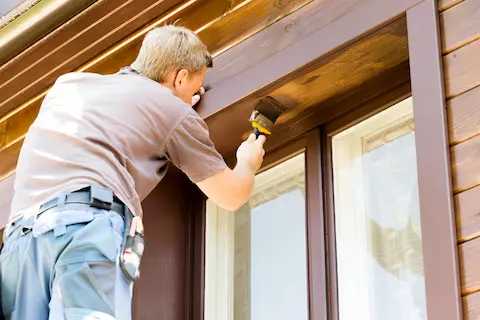
Exterior Paint Temperature Windows in Bloomington MN
Minnesota's climate compresses the exterior painting season into a narrow band that homeowners and contractors both navigate carefully. In Bloomington, that window typically runs from late May through mid-October, though the specific year dictates the exact margins. Getting the timing right matters far more than most people realize — paint applied outside the proper temperature range can fail within a single winter cycle, leaving you facing peeling, bubbling, or adhesion problems that require a full redo.
Why Temperature Matters More Than the Forecast
Most exterior coatings carry a minimum application temperature printed on the label, commonly 50°F, though some premium formulas push that threshold down to 35°F. The number that often gets ignored is the overnight low, not the afternoon high. Paint film needs sustained warmth to cure properly — that means the temperature at application, the temperature during drying, and the temperature through the first night all factor into whether the coating bonds correctly to the substrate.
In Bloomington, a sunny May afternoon can feel warm enough to paint, but temperatures dropping below 40°F after sunset disrupt the curing chemistry before the film has set. The result is a coating that looks fine for a few weeks and then begins to crack or peel by the following spring. Manufacturers write their warranty language around these curing conditions, so skipping the overnight check can void your coverage entirely.
The Bloomington Seasonal Window Broken Down by Month
Understanding how each month behaves helps you plan realistically rather than optimistically.
- May: Paintable days begin emerging late in the month. Early May remains risky due to overnight lows that frequently fall into the 30s. Late May offers windows when night temperatures stay above 50°F, but you need to verify the forecast at least three days out.
- June through August: This is the core of the Bloomington painting season. Overnight lows rarely threaten the 50°F threshold, humidity is manageable, and daylight hours allow full-day project completion. This period accounts for the majority of successful exterior painting projects in the area.
- September: Still a solid month, but the back half of September requires closer attention to forecasts. Nights cool quickly once you pass the equinox, and an unexpected cold front can drop overnight temperatures into the low 40s.
- October: The first two weeks can support painting if the forecast cooperates, but mid-October represents the practical cutoff for most standard latex formulas. Cold-weather specialty coatings extend this slightly, but those products require precise application conditions and experienced handling.
Humidity, Dew Point, and Direct Sun Complications
Temperature is the primary variable, but it doesn't work alone. Bloomington's summer humidity patterns add complexity that painting professionals account for on every job.
High humidity slows drying and can trap moisture under the film if the substrate hasn't fully dried after rain. A general rule is to wait at least 24 to 48 hours after significant rain before applying coatings to wood or previously painted siding. Dew point matters especially in early morning — if the dew point is within five degrees of the surface temperature, moisture will condense on the substrate and compromise adhesion.
Direct sun creates the opposite problem in peak summer. Painting on a surface heated by direct afternoon sun can cause the coating to skin over too quickly on the outside while remaining wet underneath. This traps solvents and results in wrinkling or bubbling. Experienced crews work around the structure during the day, following the shade as they progress section by section.
Common Mistakes Homeowners Make When Scheduling Exterior Work
Scheduling exterior painting based solely on the calendar rather than the forecast is the most frequent misstep. A warm stretch in late April can feel like an invitation, but Bloomington's spring weather is volatile enough that you can lose a week of curing time to a cold snap that arrives three days after application.
Another common error is treating all paint products as interchangeable. Oil-based primers, latex topcoats, and elastomeric coatings each have different temperature ranges and drying behaviors. Applying a water-based topcoat over an oil primer that hasn't fully cured because temperatures dropped overnight creates a bonding failure that isn't visible immediately but becomes obvious by the second summer.
Some homeowners also underestimate how much the substrate material changes the equation. Cedar siding, fiber cement, and older wood trim each absorb and release moisture differently, which affects how coatings behave in Bloomington's temperature swings. A product that performs perfectly on one substrate can fail on another if the temperature and humidity profile differs at application.
If you're planning a project and want to understand how timing fits into the full scope of preparation and product selection, reviewing the exterior painting overview gives you a solid foundation before committing to a schedule.
How Bloomington's Microclimate Affects Local Projects
Bloomington sits in the southern Twin Cities metro, which means it generally tracks closely with the official Minneapolis-Saint Paul weather data. However, local topography and development density create small variations. Areas closer to the Minnesota River valley can retain more moisture and experience slightly lower overnight temperatures than neighborhoods on higher ground near the 494 corridor.
North-facing facades present a specific challenge in Bloomington — they receive limited direct sun and dry more slowly after morning dew or rain. These surfaces often need an extra day of drying time before painting, particularly in September when sun angles are lower and drying energy from solar radiation decreases. Contractors familiar with the local area account for these orientation differences when building a project schedule.
Planning Ahead to Secure the Right Window
Because the Bloomington exterior painting season is compressed into roughly four to five reliable months, qualified contractors book out quickly beginning in April. If you're targeting a summer project, reaching out for estimates in March or early April gives you the best chance of securing a slot during the optimal June-through-August window.
When evaluating contractors, ask directly how they handle temperature and weather delays. A professional operation monitors forecasts daily, adjusts scheduling to protect curing conditions, and doesn't apply coatings when overnight temperatures threaten the manufacturer's minimum. These practices protect your investment and ensure the coating performs across multiple Minnesota winters.
For projects involving trim, doors, shutters, or full siding replacement painting, working with a team experienced in local conditions makes a measurable difference in longevity. Exterior Painting services in Bloomington that understand the seasonal constraints described here are built around protecting results, not just completing jobs.
What the Temperature Window Means for Your Investment
Exterior paint applied within the correct temperature window in Bloomington should deliver seven to ten years of service life on properly prepared surfaces before requiring significant attention. Paint applied outside that window may fail in two to three years, forcing you to absorb full project costs again far sooner than planned.
The investment math is straightforward: proper timing costs nothing extra and significantly extends the return on your painting budget. Monitoring overnight lows, respecting humidity thresholds, and working with contractors who build weather monitoring into their process are the practical steps that separate a durable result from a disappointing one in this climate.
