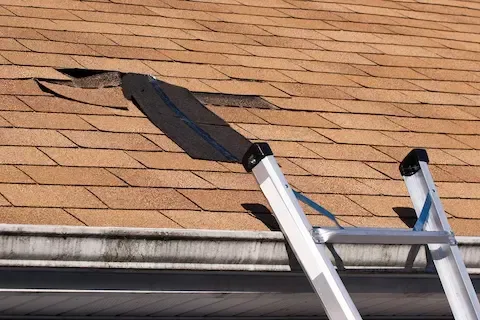
Filing a Hail Damage Insurance Claim in Bloomington MN
Filing a hail damage insurance claim in Bloomington MN requires immediate documentation, prompt contact with your insurance company, and careful coordination with qualified contractors. Start by photographing all visible damage to your roof, siding, gutters, and outdoor equipment within 24-48 hours of the storm. Contact your insurance provider to report the claim, schedule an adjuster inspection, and gather all policy documents. Work with local restoration professionals who understand Minnesota weather patterns and insurance requirements to ensure your claim is properly supported and processed efficiently.
Step 1: Document All Hail Damage Immediately
Take comprehensive photographs of every damaged area on your property as soon as it's safe to do so. Focus on your roof, siding, gutters, windows, outdoor furniture, and vehicles. Capture wide shots showing the overall damage pattern and close-ups highlighting specific impact marks. Date and timestamp all photos if possible. Walk around your entire property systematically, as hail damage often affects multiple surfaces. Pay special attention to south and west-facing areas, which typically receive the most severe impact during Minnesota storms. Create a written inventory describing each damaged item and its approximate age.
Step 2: Contact Your Insurance Company
Call your insurance provider's claims department as soon as possible after documenting the damage. Many insurers have 24-hour claim reporting hotlines. Provide your policy number, the date and time of the storm, and a general description of the damage. Ask about your policy's deductible, coverage limits, and any specific requirements for hail damage claims. Request information about approved contractors and whether your policy includes coverage for temporary repairs. Keep detailed records of all conversations, including the claim representative's name, claim number, and any instructions they provide.
Step 3: Schedule the Insurance Adjuster Inspection
Work with your insurance company to schedule an adjuster visit to assess the damage in person. The adjuster will examine your property, measure damaged areas, and determine what repairs are covered under your policy. Be present during this inspection to point out all damage you've documented. Bring your photos and written inventory to ensure nothing is overlooked. Ask questions about the adjuster's findings and request copies of their report. If you disagree with their assessment, you have the right to request a second opinion or hire an independent adjuster.
Step 4: Obtain Professional Damage Assessments
Contact qualified Storm Damage Restoration contractors who specialize in hail damage repair in the Bloomington area. These professionals can provide detailed estimates that support your insurance claim and identify damage that might not be immediately visible. Choose contractors who are licensed, insured, and familiar with Minnesota building codes and insurance requirements. Avoid door-to-door salespeople who appear immediately after storms, as they may not be properly licensed or may use high-pressure tactics. Get estimates from multiple reputable contractors to ensure fair pricing.
Step 5: Submit Supporting Documentation
Compile all documentation required by your insurance company, including photos, contractor estimates, receipts for temporary repairs, and any additional damage discovered after the initial assessment. Submit these materials promptly according to your insurer's timeline requirements. Keep copies of everything you submit and send documents via methods that provide delivery confirmation. If your claim involves extensive damage, consider working with a public adjuster who can help negotiate with your insurance company on your behalf.
Step 6: Review Your Claim Settlement
Carefully review the settlement offer from your insurance company before accepting it. Compare the offered amount to your contractor estimates and ensure all documented damage is included. Understand the difference between replacement cost value and actual cash value in your policy. If the settlement seems insufficient, you can negotiate or request additional inspections. Remember that you typically receive an initial payment minus your deductible, with additional funds released as repairs are completed and invoices are submitted.
Step 7: Complete Repairs with Qualified Contractors
Once your claim is approved, proceed with repairs using reputable contractors who understand insurance requirements and can work directly with your adjuster if needed. Ensure all work meets local building codes and manufacturer specifications. Keep detailed records of all repair work, including invoices, photos of work in progress, and warranties. Don't make final payment to contractors until all work is completed to your satisfaction and you've received all necessary documentation. Understanding documenting hail on your siding helps ensure nothing is missed during the repair process.
