Roofing Installation and Repair in Bloomington MN Homes
Your roof protects your Bloomington home from Minnesota's harsh weather conditions, from heavy snow loads to damaging hail storms. Understanding proper roofing installation and repair techniques ensures your investment withstands the state's extreme temperature fluctuations and severe weather patterns that can compromise structural integrity over time.
Understanding Minnesota Roofing Requirements
Minnesota building codes mandate specific roofing standards designed to handle the state's unique climate challenges. Your roofing system must withstand snow loads up to 50 pounds per square foot in the Twin Cities metro area, including Bloomington. Ice dam formation poses a significant threat during winter months when warm attic air melts snow on your roof's upper sections, causing water to refreeze at colder eaves and gutters.
Proper ventilation systems prevent ice dam formation by maintaining consistent roof temperatures. Ridge vents, soffit vents, and adequate attic insulation work together to create airflow that prevents dangerous ice accumulation. Without these systems, water backup can penetrate your roof decking, causing structural damage and interior water intrusion.
Wind resistance ratings become crucial during severe thunderstorms and tornado activity common in southern Minnesota. Your shingles must meet Class H wind resistance standards, capable of withstanding winds up to 150 miles per hour. Impact-resistant materials provide additional protection against hail damage, which frequently affects the Bloomington area during spring and summer storm seasons.
Asphalt Shingle Installation and Performance
Asphalt shingles remain the most popular roofing material for Bloomington homeowners due to their cost-effectiveness and weather resistance. Three-tab shingles provide basic protection at an economical price point, while architectural shingles offer enhanced durability and aesthetic appeal through dimensional construction and premium granule coatings.
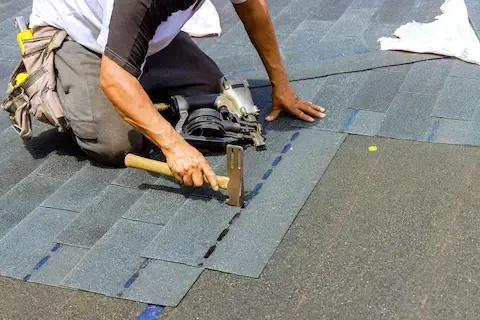
Quality installation requires proper substrate preparation, including moisture barrier installation and appropriate decking materials. Oriented strand board or plywood decking provides the structural foundation, while ice and water shield protects vulnerable areas like eaves, valleys, and penetrations. Roofing Installation & Repair professionals ensure proper nail placement, spacing, and depth to prevent wind uplift and maintain warranty coverage.
Underlayment selection significantly impacts your roof's long-term performance. Synthetic underlayments outperform traditional felt paper in Minnesota's climate, offering superior tear resistance and moisture protection during temperature extremes. Self-adhering membranes provide enhanced protection in critical areas where water penetration risk increases during ice dam events.
Proper shingle alignment and overlap prevent water infiltration and ensure uniform appearance. Starter strips along eaves and rakes provide secure attachment points for the first course of shingles. Hip and ridge cap installation requires specialized techniques to prevent wind uplift and maintain weather-tight seals at these vulnerable roof intersections.
Metal Roofing Systems and Benefits
Metal roofing offers exceptional longevity and performance in Minnesota's challenging climate conditions. Standing seam systems provide superior weather protection through concealed fasteners and thermal expansion accommodation. Corrugated metal panels offer cost-effective protection for agricultural and residential applications requiring durable, low-maintenance solutions.
Steel roofing materials require proper coating systems to prevent corrosion in Minnesota's humid summers and salt-laden winter conditions. Galvalume coatings provide excellent corrosion resistance, while painted finishes offer color options and additional protection layers. Aluminum roofing eliminates corrosion concerns but requires careful handling during installation to prevent damage.
Thermal expansion and contraction management becomes critical in metal roofing installations. Temperature variations exceeding 100 degrees between winter and summer extremes cause significant material movement. Proper fastening systems and expansion joints accommodate this movement without compromising weather seals or structural integrity.
Snow retention systems prevent dangerous snow slides while allowing controlled melting and drainage. These systems become particularly important on steep-slope metal roofs where snow accumulation can suddenly release, creating safety hazards and property damage risks around building perimeters.
Repair Techniques for Common Roofing Issues
Storm damage assessment requires systematic evaluation of your entire roofing system. Hail impact creates granule loss, exposed mat areas, and potential penetrations that may not immediately cause leaks but compromise long-term performance. Starting with storm restoration basics helps homeowners understand the evaluation process and documentation requirements for insurance claims.
Wind damage manifests through missing shingles, lifted tabs, and fastener failure. Emergency repairs require temporary weatherproofing measures using tarps or emergency patches until permanent repairs can be completed. These temporary solutions prevent further interior damage while maintaining safety during repair scheduling.
Ice dam damage requires immediate attention to prevent structural deterioration and mold growth. Emergency ice removal using steam methods prevents further accumulation while protecting existing roofing materials. Permanent solutions involve ventilation improvements, insulation upgrades, and proper air sealing to prevent future ice dam formation.
Flashing repairs address water penetration around chimneys, skylights, and vent penetrations. Degraded sealants and corroded metals allow water infiltration that damages surrounding roofing materials and underlying structures. Professional repair techniques ensure proper overlap, fastening, and sealing to restore weather-tight protection.
Material Selection for Minnesota Weather Conditions
Impact-resistant shingles provide enhanced hail protection through modified asphalt formulations and reinforced construction. Class 4 impact ratings indicate the highest level of hail resistance, potentially qualifying for insurance discounts while providing superior protection during severe weather events common in the Bloomington area.
Cold-weather installation materials accommodate Minnesota's extended winter construction seasons. Modified adhesives and sealants maintain flexibility and bonding strength at low temperatures. Winter installation techniques require special considerations for material handling, adhesion activation, and temporary protection during installation.
Ventilation component selection affects your entire roofing system's performance. Ridge vents must handle snow infiltration while maintaining airflow efficiency. Soffit vents require protection from ice accumulation and debris blockage. Balanced ventilation systems prevent moisture accumulation and maintain energy efficiency throughout seasonal temperature variations.
Gutter integration affects roof performance and longevity. Proper gutter sizing accommodates heavy snow melt and intense rainfall events. Ice dam prevention systems including heat cables and improved drainage designs protect vulnerable eave areas where most winter damage occurs.
Professional Installation Standards and Practices
Licensed contractor selection ensures compliance with Minnesota building codes and proper installation techniques. Qualified professionals understand local weather patterns, material requirements, and safety protocols necessary for successful roofing projects. Proper licensing and insurance protection safeguard homeowners from liability and ensure project completion standards.
Quality control measures include substrate inspection, material staging, and installation monitoring. Pre-installation assessments identify structural issues requiring attention before new roofing installation. Post-installation inspections verify proper installation techniques and identify any corrections needed for optimal performance.
Safety protocols protect workers and property during roofing projects. Fall protection systems, equipment staging, and weather monitoring prevent accidents and material damage. Professional contractors maintain safety certifications and equipment necessary for safe, efficient project completion regardless of roof complexity or height.
Warranty coverage varies significantly between manufacturers and installation contractors. Material warranties cover manufacturing defects, while workmanship warranties address installation quality. Understanding warranty terms and maintenance requirements helps homeowners protect their investment and ensure long-term performance.
Maintenance and Inspection Guidelines
Regular inspection schedules identify potential issues before they develop into major problems. Spring inspections assess winter damage and prepare your roof for severe weather season. Fall inspections ensure your roof is ready for Minnesota's harsh winter conditions and identify any repairs needed before snow accumulation.
Gutter maintenance directly impacts roof performance and longevity. Clogged gutters cause water backup and ice dam formation during winter months. Regular cleaning and proper drainage ensure water flows away from your roof and foundation, preventing damage to both systems.
Attic ventilation monitoring prevents moisture accumulation and ice dam formation. Blocked vents reduce airflow efficiency and create conditions favorable for ice accumulation. Regular inspection and maintenance ensure your ventilation system operates effectively throughout seasonal changes.
Documentation maintenance supports warranty claims and insurance coverage. Photograph your roof's condition regularly, maintain service records, and document any damage promptly. Proper documentation streamlines insurance claims and helps contractors assess repair needs accurately.
Long-term Investment Considerations
Energy efficiency improvements through proper roofing installation reduce heating and cooling costs throughout Minnesota's temperature extremes. Reflective materials reduce summer cooling loads, while proper insulation and air sealing improve winter heating efficiency. These improvements provide ongoing savings that offset initial installation costs over your roof's lifespan.
Property value enhancement results from quality roofing installation and maintenance. Well-maintained roofs improve curb appeal and provide buyers confidence in the home's overall condition. Premium materials and professional installation often provide returns exceeding their initial cost through increased property values.
Insurance considerations affect both coverage and premium costs. Some materials and installation techniques qualify for premium discounts while providing enhanced protection. Understanding insurance requirements and coverage limitations helps homeowners make informed decisions about roofing investments and maintenance schedules.
Your Bloomington home's roofing system represents a significant investment requiring careful planning, quality materials, and professional installation. Proper maintenance and timely repairs ensure your roof provides decades of reliable protection against Minnesota's challenging weather conditions while maintaining your home's value and comfort.
