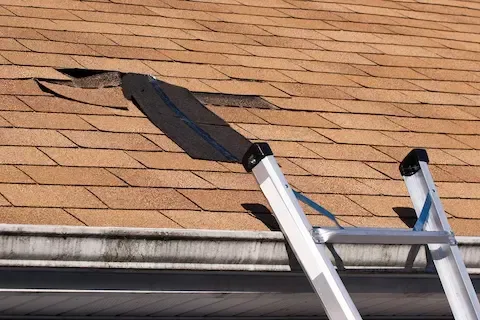
Wind Damage Roof Repair for Bloomington MN Homeowners
When wind moves across the Minnesota River valley and accelerates through Bloomington's neighborhoods, it doesn't treat every roof the same way. Older shingles, lifted ridge caps, and poorly sealed flashing become entry points for water the moment sustained gusts or a strong storm system passes through. If you've noticed shingles on the ground after a storm, curled edges at the corners of your roof, or granules collecting in your gutters, those are signs that your roof absorbed real force — and that force has consequences if left unaddressed.
How Wind Actually Damages a Minnesota Roof
Wind doesn't lift shingles evenly. It attacks the most vulnerable points first — typically the edges, ridgeline, and any area where a previous repair or installation wasn't fully sealed. As wind pressure builds under a shingle tab, the adhesive bond weakens. Over time, or in a single severe event, that shingle lifts, creases, or tears away entirely.
In Bloomington, wind events often follow a pattern: strong gusts arrive ahead of a storm system, do the structural damage, and then rain follows within hours. That sequence means a roof that was fine before a storm can be actively leaking before the sky even clears. The damage isn't always obvious from the ground, which is why many homeowners don't realize the severity until they find water staining on an interior ceiling days later.
Common wind damage patterns seen on Bloomington roofs include:
Lifted or missing shingles — particularly on south- and west-facing slopes that catch prevailing Minnesota winds
Torn or displaced ridge cap shingles — the peak of the roof takes the most exposure and is often the first area to fail
Bent or pulled flashing — metal flashing around chimneys, vents, and skylights can pull away from the substrate under high wind
Granule loss — even shingles that appear intact can lose significant granule coating, accelerating weathering
Damaged soffits and fascia — wind can peel back these edge components, creating openings for water and pests
What Makes Bloomington Roofs Particularly Vulnerable
The southern Twin Cities metro sits in a geographic zone where storm systems frequently track northeast, putting Bloomington directly in the path of organized wind events. The mix of mature tree canopy in older neighborhoods — around neighborhoods like Bush Lake and South Loop — adds another risk layer. Tree limbs and debris become projectiles that score or puncture shingles even when the wind speed alone wouldn't cause failure.
Roofs installed more than fifteen years ago face compounding vulnerability. Minnesota's freeze-thaw cycles stress the adhesive strips on shingles every winter, gradually reducing their ability to hold under wind load. A roof that sailed through its first decade may become significantly more vulnerable in its second. Homeowners in Bloomington's established residential neighborhoods often discover this the hard way after a mid-summer storm system.
Inspecting After a Wind Event
A safe post-storm inspection starts from the ground. Walk the perimeter of your home and look for shingles on the lawn, in gutters, or against fence lines. Check the ridge from multiple angles — a sagging or irregular ridge profile suggests cap shingles have shifted or been lost. Inspect flashing at chimneys and dormers from any elevated vantage point you can safely access, such as a second-floor window.
Inside the home, check attic spaces within a day or two of a major storm. Look for daylight coming through the decking, damp insulation, or any water marks on the sheathing. These interior indicators often reveal damage that isn't visible from ground level.
If you suspect damage but aren't sure of the extent, professional inspection is the safest and most practical next step. Roof surfaces are steep, often slick after rain, and the full picture of storm damage requires a trained eye to assess properly. For homeowners dealing with wind and storm impacts, Storm Damage Restoration services can document damage accurately for both repair planning and insurance purposes.
Repair vs. Full Replacement After Wind Damage
Not every wind event warrants a full roof replacement. The determining factors are the age of the roof, the extent of the damage, and whether the underlying decking sustained moisture intrusion before repairs could be made.
Spot repairs are appropriate when damage is localized — a section of missing shingles on one slope, flashing that pulled away from a chimney, or a few feet of ridge cap that lifted. These repairs restore weathertightness quickly and extend the functional life of an otherwise sound roof.
Replacement becomes the more cost-effective choice when the wind event revealed widespread brittleness, granule loss across multiple slopes, or when the roof is approaching the end of its rated lifespan. Minnesota's climate is hard on roofing materials, and a roof that has been repeatedly stressed by wind is more likely to fail again in the next storm season.
Insurance claims often hinge on documentation. The difference between an approved claim for replacement and a partial payment for spot repairs frequently comes down to how well the damage is identified and photographed at the time of inspection. Understanding the basics covered in wind damage repair fundamentals can help you communicate clearly with both your contractor and your insurance adjuster.
Timing Repairs in the Minnesota Climate
Roof repairs in Bloomington are weather-dependent. Adhesive sealants used in shingle installation require temperatures above a certain threshold to set properly. Summer and early fall offer the best window for permanent repairs. If wind damage occurs late in the season — October or November — temporary protective measures may be necessary to protect the home until conditions allow for proper materials installation.
Acting quickly still matters even in marginal weather. An unsealed section of roof ahead of a Minnesota winter can allow ice dam formation, moisture infiltration into the decking, and interior damage that compounds the original repair cost significantly. The practical guidance is straightforward: document the damage as soon as it's safe to do so, get a professional inspection scheduled, and don't assume that a small area of missing shingles will stay contained through the next weather system.
Working With a Local Roofing Contractor
Bloomington homeowners benefit from working with contractors who understand both the local climate patterns and the city's permitting requirements for roof work. Hennepin County and Bloomington's building department have specific requirements for roofing permits, material standards, and inspections that a locally familiar contractor will navigate without delays.
When selecting a contractor after wind damage, prioritize those who provide written assessments, carry proper licensing and insurance, and can work directly with your homeowner's insurance carrier. The repair process moves faster and with fewer disputes when documentation is thorough from the start.
